
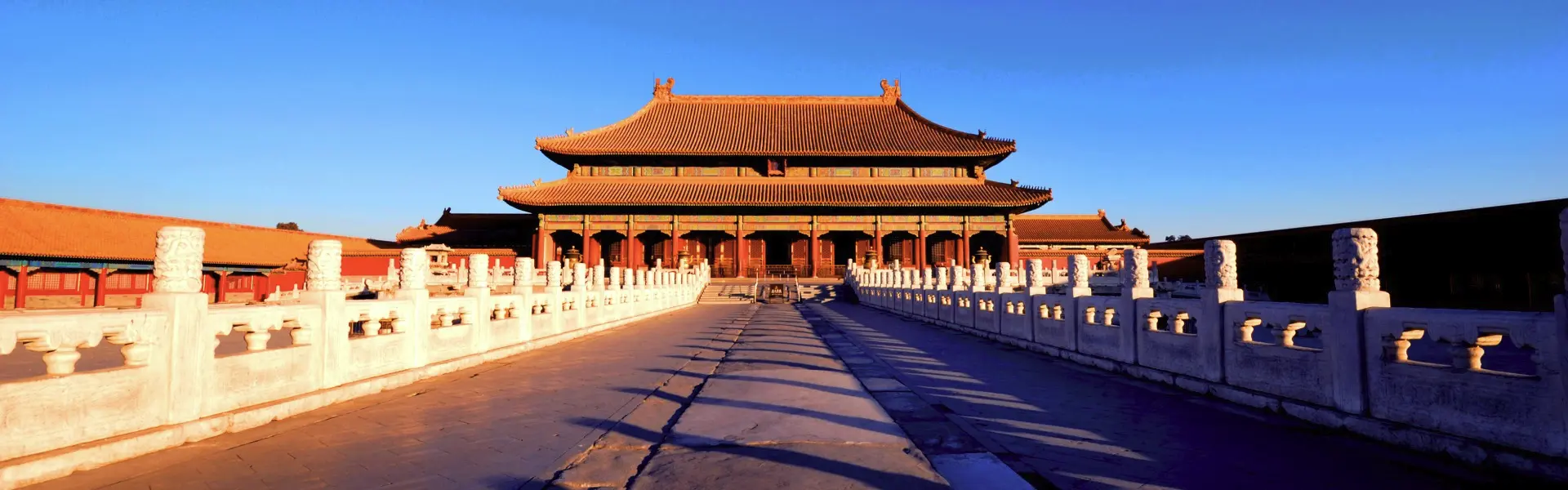
Why is the Forbidden City Called "Forbidden"? Complete Cultural Guide
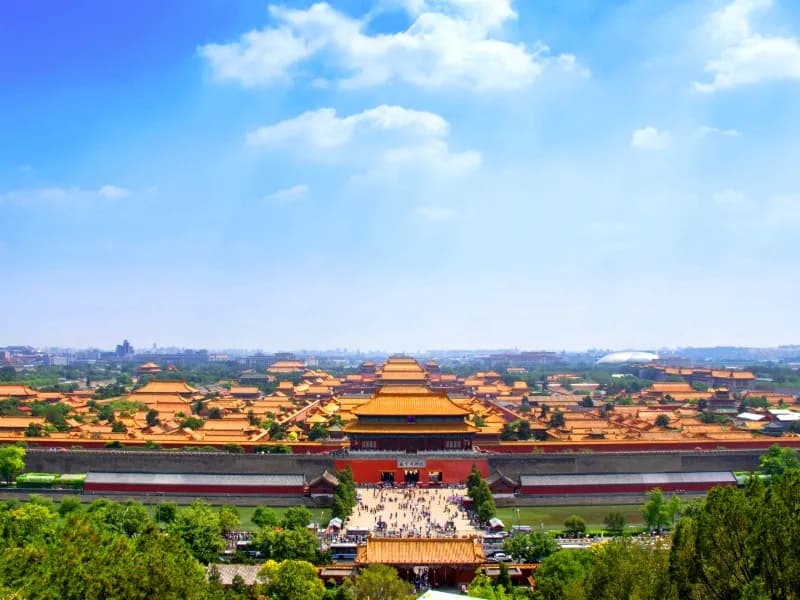
Forbidden City Panoramic View
Quick Answer
The Forbidden City gets its name from ancient Chinese astronomy and imperial hierarchy:
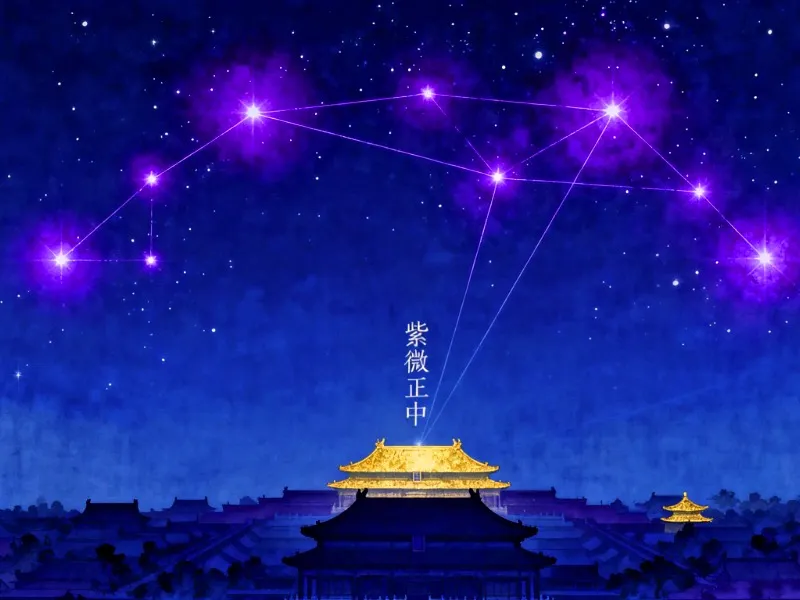
- Purple refers to the Purple Heavenly Enclosure (Ziwei Yuan), where ancient Chinese believed the celestial emperor resided
- Forbidden indicates a sacred space restricted to the emperor and authorized personnel only
- City represents the cosmic center embodying the "Harmony of Heaven and Humanity" philosophy
This name reflects China's unique worldview, projecting the heavenly palace onto the earthly imperial residence.
Table of Contents
| Section | Key Points | Reading Time |
|---|---|---|
| Name Analysis | Deep meaning of "Purple Forbidden City" | 4 minutes |
| Astronomical Origins | Purple Heavenly Enclosure & ancient cosmology | 3 minutes |
| Architectural Marvel | Spatial design and cultural expression | 5 minutes |
| Historical Evolution | 600 years of transformation | 4 minutes |
| Visitor Guide | Practical touring information | 3 minutes |
Total reading time: 19 minutes | In-depth exploration of Chinese civilization
Name Analysis
"Purple": The Divine Imperial Color
Historical Foundation
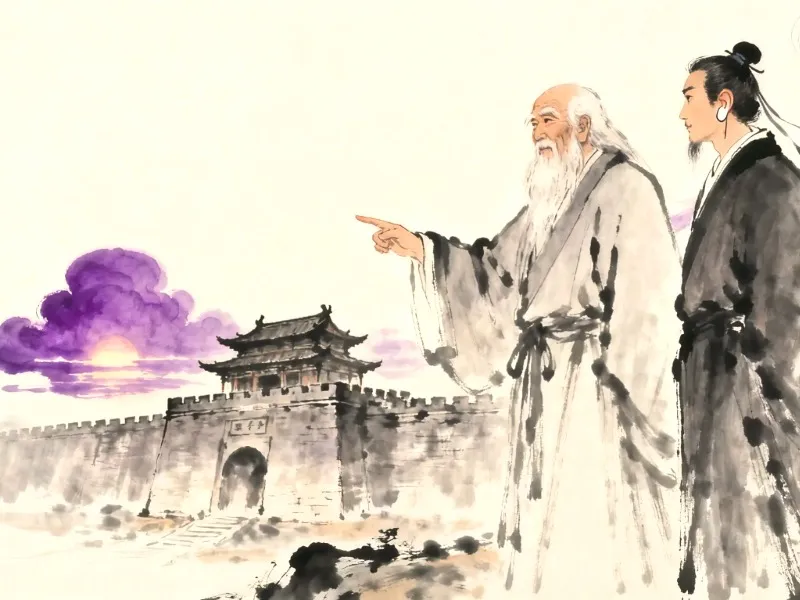
Auspicious Purple Air from the East Legend
During the Spring and Autumn period, the gatekeeper Yin Xi saw "Auspicious Purple Air from the East" when Laozi departed through Hangu Pass. This legend established purple as a symbol of divine fortune and imperial destiny.
Political Evolution
- Qin-Han Era: Purple began association with imperial power
- Tang-Song Period: "Purple Terrace" exclusively referred to imperial palaces
- Ming-Qing Dynasties: Purple became the emperor's exclusive color
Cultural Significance
- Symbolizes harmony between yin and yang, balance of heaven and earth
- Represents mystery, nobility, and sacred inviolability
- Embodies the divine nature of imperial authority
Cultural Note In ancient color hierarchy, purple held supreme status. Unlike common colors used by ordinary people, purple remained exclusively reserved for imperial use.
"Forbidden": Sacred Hierarchical Order
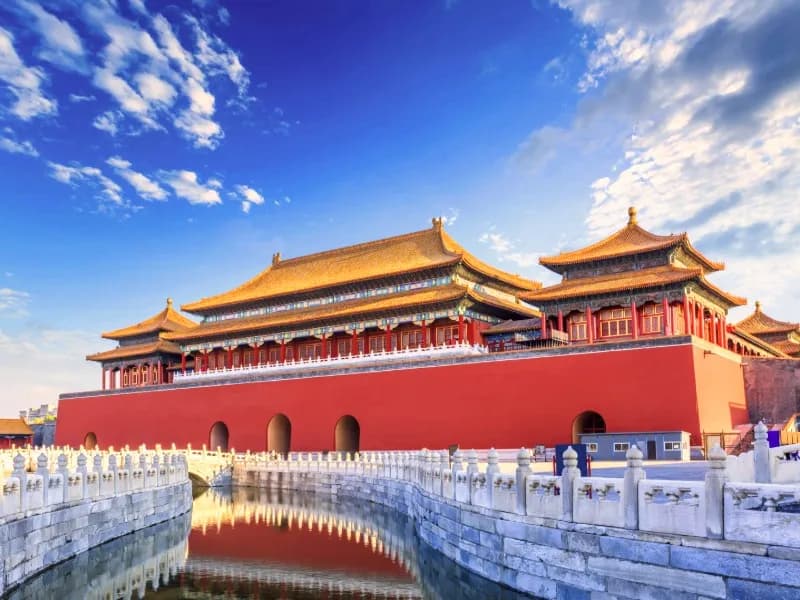
Forbidden City Defense System
The character "Forbidden" embodies the core characteristics of ancient Chinese imperial palaces through layered spatial control:
| Defense Level | Specific Measures | Symbolic Meaning |
|---|---|---|
| Outer Layer | Moats, city walls | Physical separation |
| Middle Layer | Multiple gates, guard posts | Identity verification |
| Inner Layer | Hierarchical passages, time restrictions | Ritual protocols |
| Core | Multiple protections for imperial quarters | Absolute sanctuary |
Social Functions
- Reinforced the Divine Right of Kings political theory
- Maintained strict social hierarchical order
- Created imperial mystique and commanding presence
"City": Cosmic Order in Architectural Form
Triple Meaning
- Philosophical: Symbolizes ideal cosmic order
- Practical: Complete urban functional layout
- Cultural: Vehicle for multi-ethnic cultural integration
Deep Insight The Forbidden City transcends being merely an emperor's residence—it represents the symbolic crystallization of entire imperial order, using architectural language to express political ideals.
Astronomical Origins
Purple Heavenly Enclosure: The Celestial Imperial Palace
Ancient Astronomical Worldview
The Three Enclosures System formed the core of ancient Chinese astronomy:
Three Enclosures (Celestial Core Regions)
├── Purple Heavenly Enclosure (Central, celestial emperor's residence)
├── Grand Heavenly Enclosure (Northeast, governmental institutions)
└── Celestial Market Enclosure (Northwest, commercial areas)
Special Status of Purple Heavenly Enclosure
| Celestial Component | Star Count | Symbolic Meaning |
|---|---|---|
| Purple Forbidden Star (Polaris) | 1 star | Celestial emperor, eternally central |
| Inner Enclosure Stars | 14 stars | Palace walls, protective encirclement |
| Peripheral Stars | Multiple | Celestial attendants, serving and guarding |
Authoritative Ancient Records
Documentary Evidence
- Guangya Dictionary: "The heavenly palace is called the Purple Palace"
- Book of the Later Han: "The Purple Palace Enclosure has fifteen stars, the emperor's constant residence"
- Song of Pacing the Heavens: "Within the Purple Palace dwells a crown prince, with the imperial seat as one star"
"Harmony of Heaven and Humanity" Design Philosophy
Heaven-Earth Correspondence
| Astronomical Element | Architectural Correspondence | Cultural Significance |
|---|---|---|
| Purple Forbidden Star | Hall of Supreme Harmony | Emperor as terrestrial Polaris |
| Enclosure wall stars | Palace building complex | Ministers as stars in celestial court |
| Heavenly gates | Meridian Gate and palace gates | Strict ceremonial order |
| Stellar arrangements | Building layout | Unity of celestial-earthly order |
Sacred Numerical Codes
- 9,999.5 rooms: 9 represents ultimate yang number (heaven), 0.5 acknowledges earthly realm's inferiority to celestial perfection
- Nine gates: Corresponding to heaven's nine levels
- North-facing orientation: Mimicking Purple Forbidden Star's spatial position
Core Philosophy Ancient rulers believed perfect celestial order must find equally perfect earthly correspondence. The Forbidden City embodies this "Harmony of Heaven and Humanity" concept.
Architectural Marvel
Central Axis: Spatial Poetry of Imperial Power
8-Kilometer Cultural Spine
Forbidden City Name Meaning Infographic
South-North Complete Route
Zhengyang Gate → Tiananmen → Meridian Gate → Hall of Supreme Harmony →
Palace of Heavenly Purity → Gate of Divine Prowess → Jingshan Hill → Bell and Drum Towers

2024 Achievement: Beijing Central Axis inscribed on World Heritage List
Symbolic Significance of Spatial Sequence
| Architectural Node | Functional Role | Cultural Meaning |
|---|---|---|
| Zhengyang Gate | Capital's southern portal | Welcoming tributary nations |
| Tiananmen | Imperial city's main entrance | Proclaiming royal benevolence |
| Meridian Gate | Palace city's ceremonial threshold | Majesty and hierarchical order |
| Hall of Supreme Harmony | Power epicenter | Supreme imperial authority |
Three Great Halls: Architectural Language of Imperial Majesty
Hall of Supreme Harmony: Pinnacle of Ancient Architecture
Impressive Statistics
| Architectural Metric | Measurement | Status in Ancient Architecture |
|---|---|---|
| Height | 35.05 meters | China's tallest ancient wooden structure |
| Floor Area | 2,377 square meters | Forbidden City's largest single building |
| Columns | 72 massive pillars | All crafted from precious nanmu wood |
| Roof | Double-eaved hip roof | China's highest architectural grade |
Engineering Marvel
- Pure wooden construction using no nails
- Mortise and tenon joints withstand magnitude 8 earthquakes
- Bracket set technology cleverly distributes structural loads
- Survived 600 years with unwavering integrity
Hall of Central Harmony: Transitional Wisdom
- Rest and preparation before major ceremonies
- Private space for receiving trusted ministers
- Buffer zone between private and public realms
Hall of Preserving Harmony: Where Knowledge Transforms Destiny
- Venue for palace examinations during Ming and Qing dynasties
- Birthplace of zhuangyuan, bangyan, and tanhua scholars
- Empire's supreme hall of talent cultivation
Historical Note The Hall of Preserving Harmony witnessed over 800 palace examinations, producing hundreds of top scholars—a vital testament to China's ancient educational system.
Inner Court Life: Spatial Art of Imperial Domesticity
Palace of Heavenly Purity: Security and Dignity Balance
Unique Security Design
- Twenty-seven beds distributed throughout the palace
- Emperor's nightly accommodation chosen randomly
- Even trusted eunuchs remained unaware of exact location
Cultural Symbolism
- "Rectitude and Enlightenment" plaque: Governing philosophy proclamation
- Dragon motif decorations: Artistic expression of imperial symbolism
- Throne design: Delicate balance between authority and accessibility
Palace of Earthly Tranquility: Multicultural Convergence
Historical Evolution
- Ming Dynasty: Empress's quarters, classic Han architectural style
- Qing Dynasty: Shamanic ritual sanctuary, Manchu cultural characteristics
- Modern Era: Cultural exhibition space celebrating diverse values
Historical Evolution
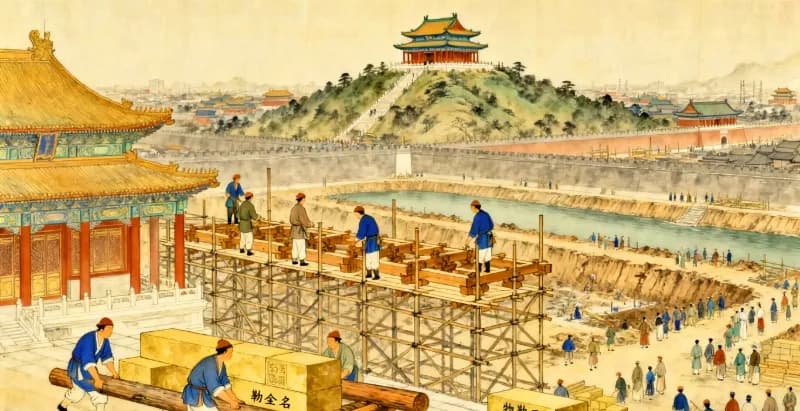
Ming Dynasty Yongle Era: Realizing Grand Vision
Yongle Construction Scene
Zhu Di's Strategic Capital Relocation
- Consolidating Jingnan Campaign victory
- Strengthening northern frontier control
- Breaking free from Nanjing interest groups
- Demonstrating new dynasty's ambitions
Engineering Scale
| Construction Metric | Data | Historical Status |
|---|---|---|
| Duration | 14 years (1406-1420) | Ancient China's largest construction project |
| Workforce | 100,000+ craftsmen, millions of laborers | Mobilized national resources |
| Materials | Nanmu from Sichuan, white marble from Fangshan | Selected finest national materials |
Master Craftsman Kuai Xiang
- Honored as "Kuai Luban"
- Designed Hall of Supreme Harmony and other core buildings
- Innovated bracket set and mortise-tenon technologies
- Architectural style influenced subsequent centuries
Qing Dynasty Continuation: Multicultural Palace Integration
1644 Critical Decision
Qing forces faced two choices:
- A. Complete demolition and reconstruction (Manchu characteristics)
- B. Restoration preserving original form (Han traditions)
Historical Choice: Restoration and reconstruction—cultural recognition superseded ethnic differences
Multicultural Palace Expression
| Cultural Element | Specific Manifestation | Architectural Vehicle |
|---|---|---|
| Manchu Tradition | Shamanic rituals | Eastern Warm Chamber of Palace of Earthly Tranquility |
| Han Culture | Confucian ceremonies | Hall of Supreme Harmony, etc. |
| Mongol Culture | Tibetan Buddhism | Pavilion of Raining Flowers, etc. |
| Tibetan Culture | Religious architecture | Tower of Buddhist Splendor, etc. |
Kangxi-Yongzheng-Qianlong Cultural Achievements
- Kangxi: Emphasized civil governance, collected calligraphy and classics
- Yongzheng: Pursued refinement, established strict decoration standards
- Qianlong: Achieved cultural zenith, formed today's collection framework
Modern Transformation: From Imperial Palace to People's Museum
Historical Transformation Milestones
| Year | Event | Significance |
|---|---|---|
| 1911 | Xinhai Revolution | End of imperial system, beginning of republic |
| 1924 | Puyi's departure | Complete end of imperial palace era |
| 1925 | Palace Museum establishment | Transformation from private to public property |
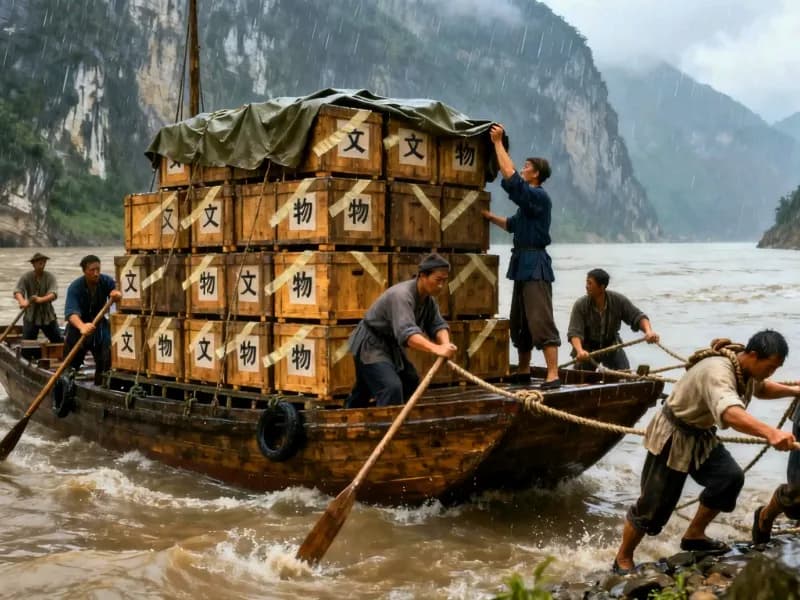
Cultural Relic Evacuation: Miracle in Human Cultural History
Cultural Relic Evacuation
Sixteen Years of Wandering Protection
- Evacuation began 1933, 13,427 boxes of cultural relics
- Journey through Shanghai, Nanjing, Changsha, Guiyang
- Distributed storage in Sichuan and Shaanxi provinces
- Safe return after War of Resistance victory
Cultural Guardians
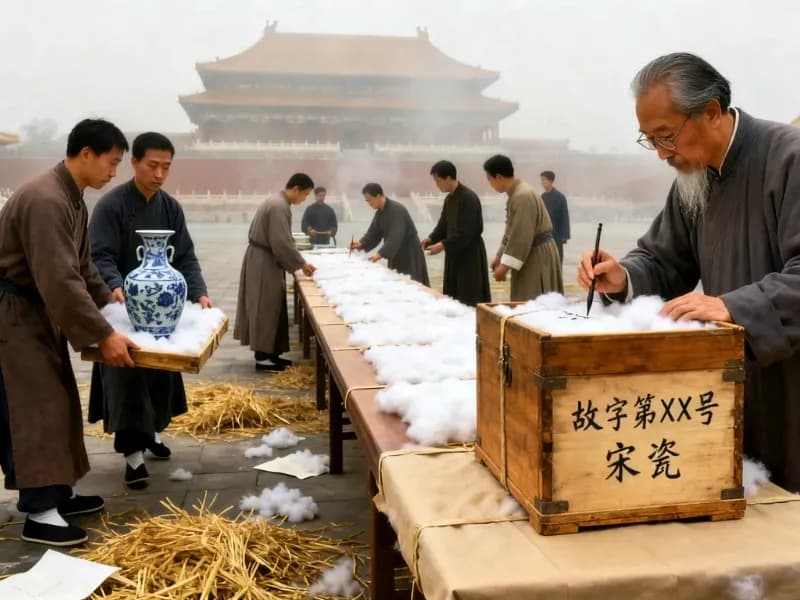
"Zero Loss" Cultural Miracle
- No cultural relics lost during sixteen years of upheaval
- Demonstrated cultural workers' professional dedication
- Witnessed Chinese culture's indomitable vitality
Tribute to Heroes Palace Museum guardians like Ma Heng, Zhuang Shangyan, and Na Zhiliang devoted their lives to protecting national treasures. Their legacy deserves eternal remembrance.
Visitor Guide
Ticketing and Entry Information
Official Booking Channels
- Palace Museum Official Website: dpm.org.cn
- WeChat Mini Program: "Palace Museum"
- Alipay Mini Program: Search "Palace Museum Tickets"
Ticket Prices (2024 Latest)
| Season | Price | Preferential Policies |
|---|---|---|
| Peak Season (April-October) | 60 RMB/person | Students 30 RMB, Free for 60+ |
| Off Season (November-March) | 40 RMB/person | Students 20 RMB, Free for 60+ |
Operating Hours
- Peak Season: 8:30-17:00 (Entry stops at 16:00)
- Off Season: 8:30-16:30 (Entry stops at 15:30)
- Closed: Every Monday (except holidays)
Recommended Visiting Routes
Classic Highlights Tour (3-4 hours)
Meridian Gate (Historical overview) → Hall of Supreme Harmony (Imperial symbolism) →
Hall of Central Harmony (Spatial transition) → Hall of Preserving Harmony (Examination culture) →
Palace of Heavenly Purity (Imperial residence) → Palace of Earthly Tranquility (Empress life) → Imperial Garden
In-Depth Cultural Tour (Full Day)
| Theme | Key Locations | Experience Content | Duration |
|---|---|---|---|
| Architectural Art | Three Great Halls + Eastern & Western Six Palaces | Bracket sets, mortise-tenon, decorative paintings | 3 hours |
| Cultural Collections | Various thematic exhibition halls | Calligraphy, ceramics, bronzes | 2 hours |
| Imperial Lifestyle | Inner Court + Imperial Garden | Daily routines, entertainment, garden aesthetics | 2 hours |
Digital Experience
Essential Apps
- "Palace Museum" Official App: Audio guides, AR experiences
- "Panoramic Forbidden City": VR virtual tours
- "Palace Museum Masterpieces": High-definition cultural relic appreciation
Optimal Visiting Times
Seasonal Recommendations
- Spring (March-May): Gardens in bloom, pleasant climate
- Autumn (September-November): Autumn foliage splendor
- Winter (December-February): Snow scenes, fewer tourists
Time Scheduling
- Best: Morning 8:30-10:00 (fewer people, good lighting)
- Avoid: Holidays (tourist volume 3-5 times normal)
Must-Photograph Scenes
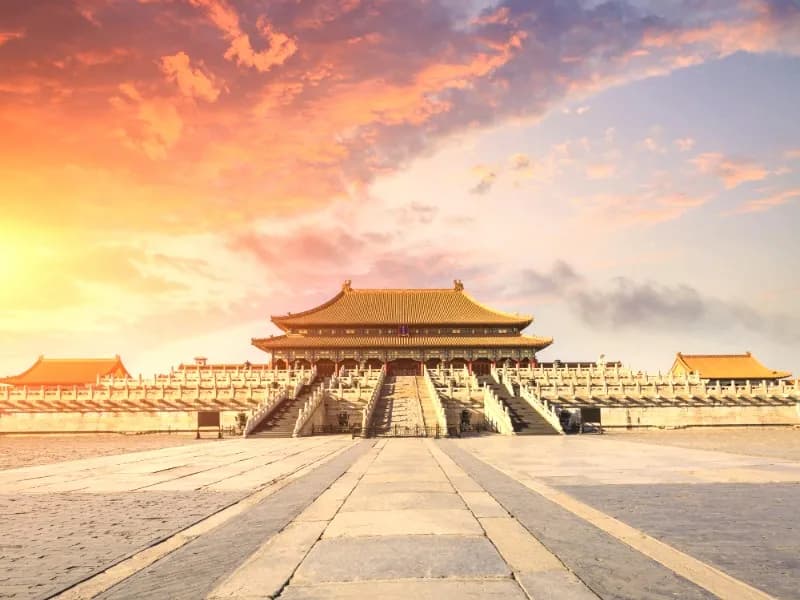
Best Photography Spots in Forbidden City
| Photography Location | Optimal Angle | Best Time | Symbolic Meaning |
|---|---|---|---|
| Meridian Gate Towers | Frontal elevation | 9-10 AM | Imperial authority |
| Hall of Supreme Harmony Square | Central axis perspective | 10-11 AM | Power epicenter |
| Imperial Garden | Rockery and building harmony | 3-4 PM | Garden artistry |
Cultural Creative Shopping
Popular Cultural Products
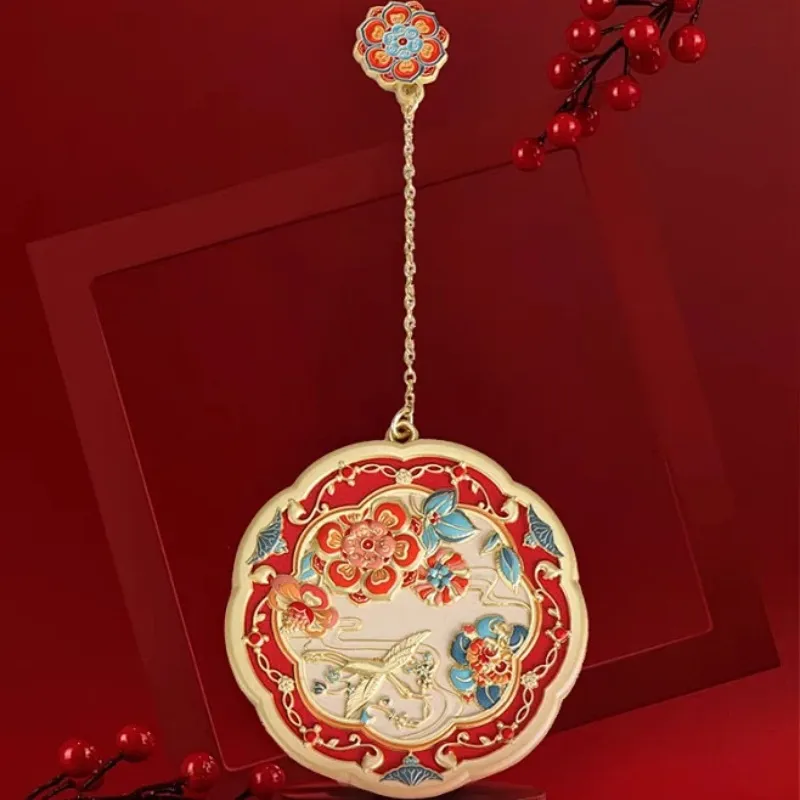
Palace Museum Cultural Products
| Category | Representative Products | Price Range | Cultural Significance |
|---|---|---|---|
| Practical | Palace Museum lipstick, court bead earphones | 50-300 RMB | Tradition meets modern fashion |
| Decorative | "A Thousand Li of Rivers and Mountains" reproductions | 100-800 RMB | Classic masterpiece recreation |
| Collectible | Imperial seals, dragon motif ornaments | 200-2000 RMB | Imperial cultural symbols |
| Daily Use | Palace Museum tape, stationery sets | 20-100 RMB | Daily life aesthetics |
Purchase Locations
- Various cultural creative shops within Forbidden City (standard pricing, quality assurance)
- Palace Museum Tmall flagship store (online convenience)
- Wangfujing Palace Museum Cultural Creative Experience Store (most comprehensive)
Practical Tips
Clothing Recommendations
- Shoes: Comfortable walking shoes (total distance approximately 8 kilometers)
- Clothing: Light, breathable fabrics
- Accessories: Sun hat, sunscreen (summer essentials)
Dining Arrangements
- Palace dining: Simple meals available, higher prices
- Nearby options: Wangfujing, Donghuamen Food Street
- Personal provisions: Small amounts of food permitted
Safety Guidelines
- Follow staff instructions, do not touch cultural relics
- Mind ancient building thresholds
- Secure personal belongings
- Monitor official announcements
Deep Cultural Value
Embodiment of Chinese Civilization Characteristics
Continuity: Millennial Cultural Heritage
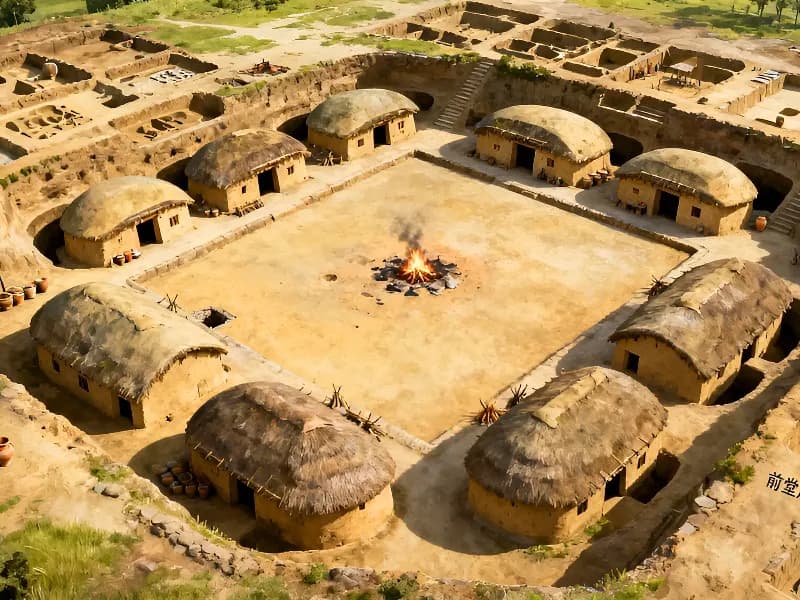
Civilization Heritage Context
Unbroken Cultural Lineage
- Spatial layout heritage from Neolithic settlements to Forbidden City
- "Front court, rear residence; left ancestral temple, right altar" pattern sustained over 3,000 years
- Perfect realization of Records of Examination of Craftwork planning principles
- Generational transmission of mortise-tenon technology and bracket set craftsmanship
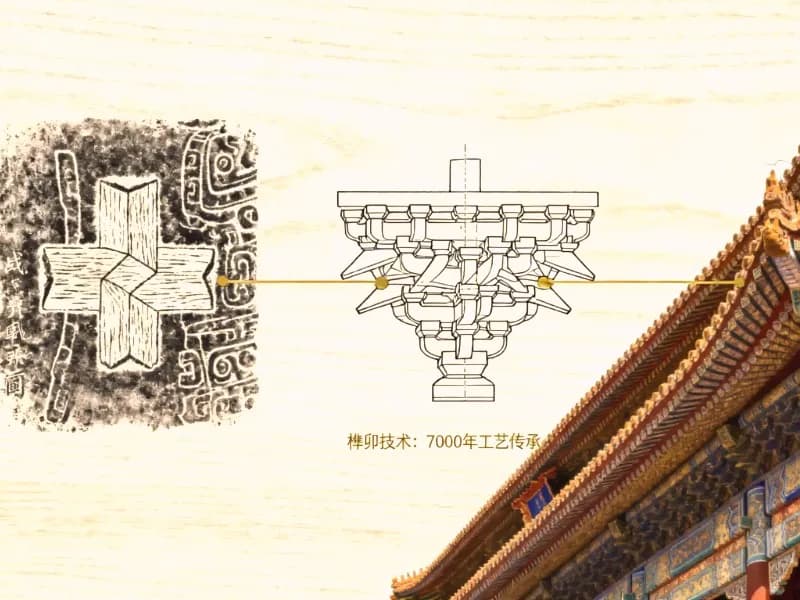
Traditional Craft Heritage
Unity: Harmonious Diversity in Oneness
Multi-ethnic Cultural Integration
- Integration of Han traditional architecture with Manchu cultural requirements
- Harmonious coexistence of Confucian, Buddhist, and Taoist traditions
- Concentrated display of cultural artifacts from 56 ethnic groups
- Spatial manifestation of "Great Unity" concepts
Innovation: Development Vitality Keeping Pace with Times
Perfect Marriage of Tradition and Modernity
- Functional evolution from imperial palace to public museum
- Digital technology applications in cultural heritage preservation
- Innovative development models in cultural creative industries
- Cultural innovation practices in international exchange
Inclusiveness: Cultural Magnanimity Embracing Diversity
Multicultural Integration
Philosophy of Universal Harmony
- Extensive collection and display of international cultural artifacts
- Peaceful coexistence of diverse religious traditions
- Creation of East-West cultural fusion artworks
- Architectural expression of "harmony in diversity" principles

East-West Cultural Exchange
Modern Value and Global Significance
Crucial Vehicle for Cultural Confidence
Influence Metrics
- Annual visitors: 8 million (globally highest)
- International exhibition audiences: over 10 million
- Cultural creative product annual sales: exceeding 1 billion RMB
- Digital content global reach: hundreds of millions
Cultural Ambassador for International Exchange
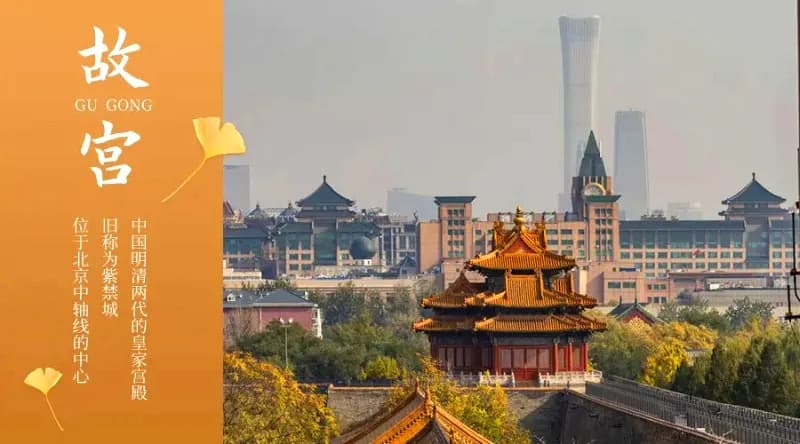
Forbidden City International Influence
Global Cultural Influence
- Collaborative relationships with museums in 100+ countries
- Touring exhibitions in 30+ countries
- Recognition as one of the "World's Five Great Museums"
- Important UNESCO partnership
Extended Reading
Related Cultural Sites
Beijing Cultural Deep Exploration
- Temple of Heaven: Architectural marvel of ancient sacrificial culture
- Summer Palace: Pinnacle of imperial garden art
- Ming Tombs: Feng shui mysteries of imperial mausoleums
- Beihai Park: Poetic expression of imperial garden design
National Ancient Architecture Series
- Xi'an Daming Palace: Palace ruins embodying Tang grandeur
- Confucius Temple in Qufu: Architectural sacred ground of Confucian culture
- Chengde Mountain Resort: Qing dynasty imperial garden synthesis
Recommended Books and Documentaries
Essential Reading
- Construction of the Forbidden City by Shan Shiyuan: In-depth construction history analysis
- Palaces of the Forbidden City by Wang Puzi: Detailed palace function introduction
- Evacuation of Palace Museum Cultural Relics by Ouyang Daoda: Cultural protection heroic record
- Collapse of the Celestial Dynasty by Mao Haijian: Understanding cultural transformation
Excellent Documentaries
- Masters in Forbidden City: Contemporary inheritance of traditional crafts
- Forbidden City 100: 100-episode micro-documentary comprehensive presentation
- When the Louvre Meets the Forbidden City: East-West cultural exchange dialogue
- The Forbidden City: BBC production with international perspective
Interactive Sharing
Discussion Topics
What aspect of the Forbidden City most impresses you?
- Magnificent architectural scale
- Profound cultural significance
- Exquisite craftsmanship
- Historical depth and weight
Sharing and Promotion
If this article enriches your understanding, welcome to:
- Share with friends: WeChat, Weibo, social media
- Leave comments: Share your Forbidden City visit experiences
- Save and bookmark: For future reference and deeper study
- Provide suggestions: Help us improve content quality
Conclusion: Understanding Chinese Civilization's Cultural Code
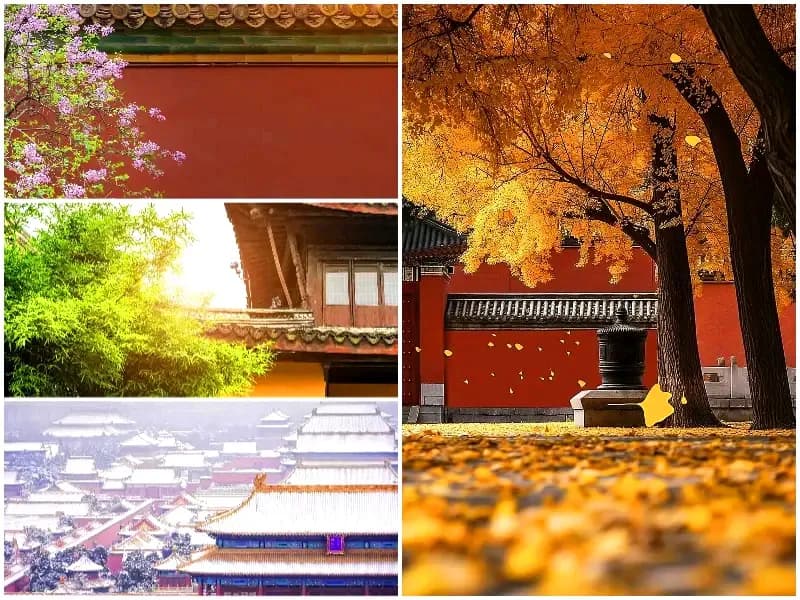
Four Seasons Beauty of Forbidden City
Exploring "Why is the Forbidden City called 'Forbidden'?" reveals profound codes of Chinese civilization.
Understanding Civilization Through Names
These three characters encompass:
- Cosmological Vision: "Harmony of Heaven and Humanity" philosophy
- Political Philosophy: Divine Right of Kings governance theory
- Aesthetic Principles: Symmetrical harmony artistic pursuit
- Cultural Outlook: Inclusive and open cultural disposition
Dialogue Between Tradition and Modernity
Today's Palace Museum maintains both historical gravitas and contemporary vitality:
- Magnificent transformation from imperial sanctuary to people's museum
- Mission evolution from cultural relic protection to cultural dissemination
- Value recognition from national treasure to world heritage
Cultural Confidence Facing the Future
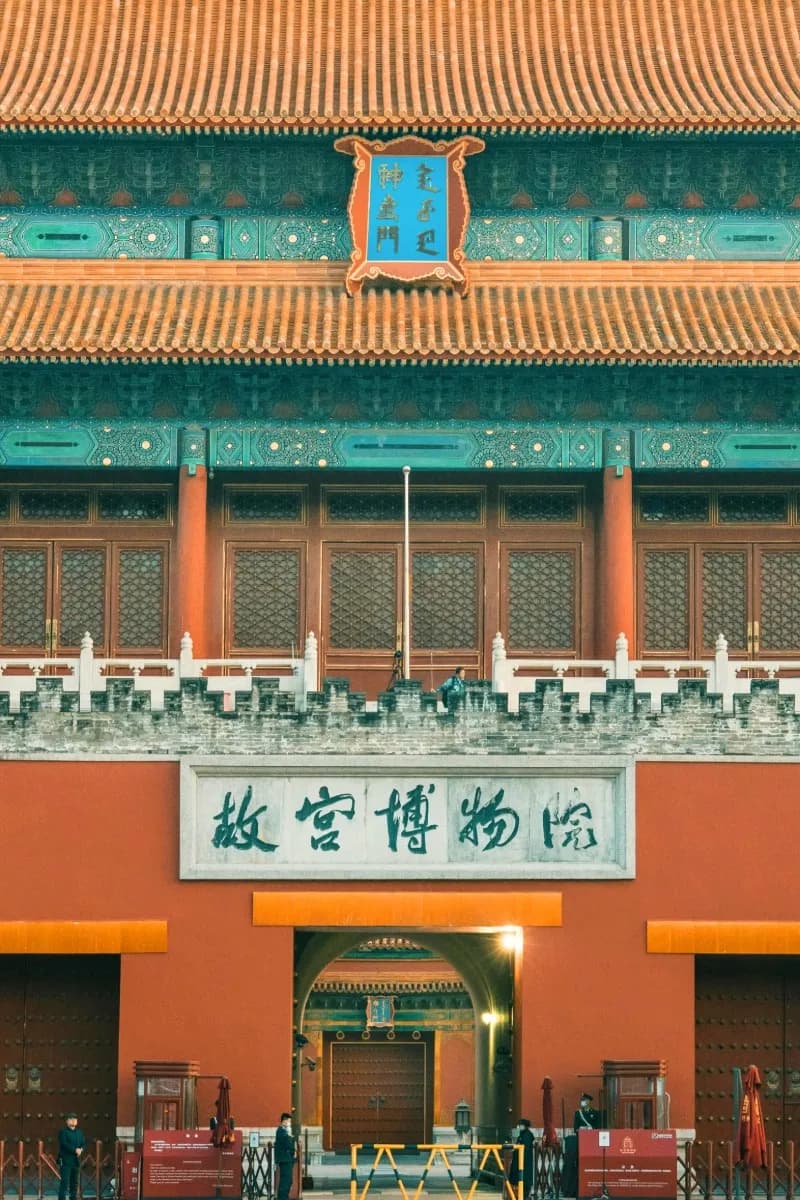
Modern Palace Museum Development
Understanding the Forbidden City's name helps us:
- Strengthen identification with Chinese cultural heritage
- Innovate within inheritance, develop through openness
- Tell China's story to the world, spreading Chinese civilization
- Fortify cultural confidence for the new era
Final Reflection When you next walk among the vermilion walls and golden tiles, hearing "Forbidden City," perhaps you'll contemplate Chinese civilization's immortal heritage transcending time and space—our nation's eternal pursuit of beautiful life and ancient culture's youthful renaissance in the contemporary era.
Thank you for reading! May your Forbidden City journey be magnificent!
Last updated: December 2024 | Word count: Approximately 8,000 words | Estimated reading time: 19 minutes
Need assistance?
- Palace Museum Official Website: dpm.org.cn
- Customer Service: 010-85007938
- Official Email: gugong@dpm.org.cn
Loading comments...